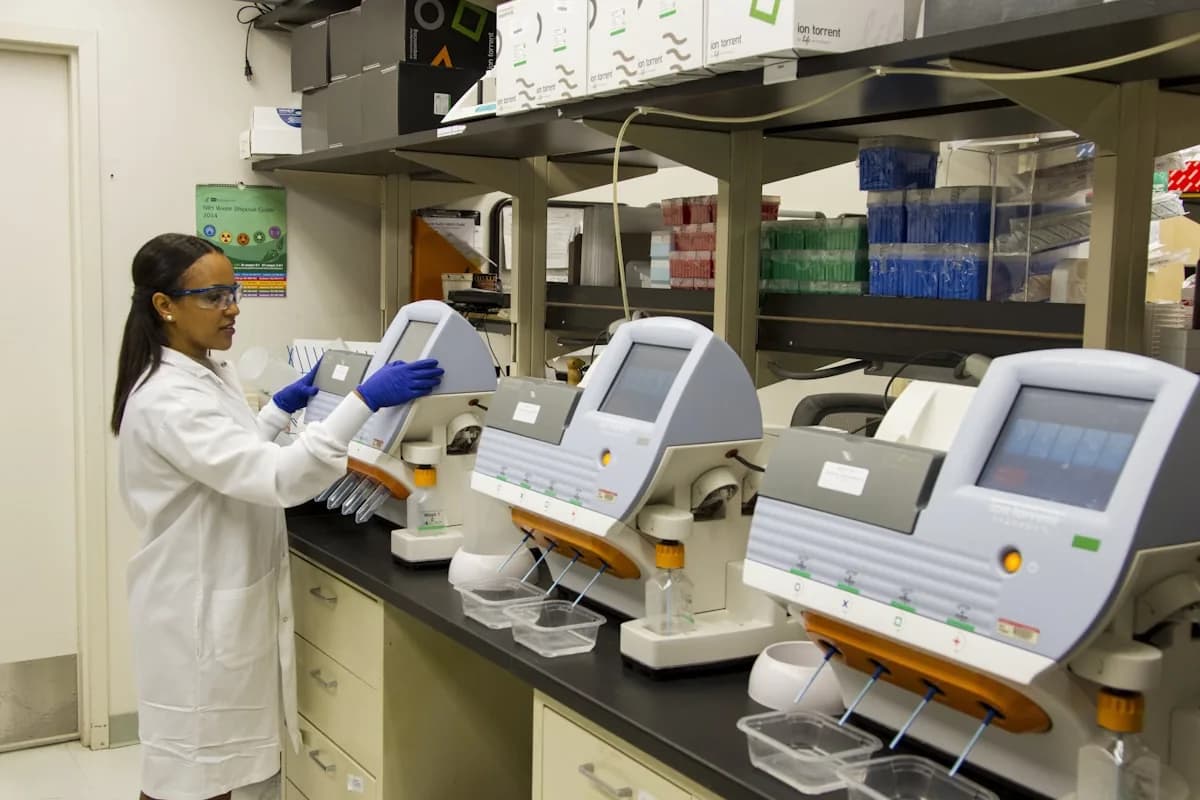
WHO Adopts Wastewater Sequencing Standard for Pandemic Early Warning
Member states approved a protocol harmonizing viral concentration methods and genomic reporting timelines after pilots detected influenza shifts weeks before clinical surges.
Credence Wire Journalist
Future Studies Correspondent
Stanford Existential Risks Initiative fellow. Covers long-range forecasting, existential risk, biosecurity, and the horizons that will define humanity's next century.

Member states approved a protocol harmonizing viral concentration methods and genomic reporting timelines after pilots detected influenza shifts weeks before clinical surges.

Renesas, Ibiden, and Shinko Electric invest $4.2 billion in co-packaged optics and 2.5D packaging for TSMC ecosystem customers.

The hemoglobin-based product aims to stabilize trauma patients in pre-hospital settings where refrigerated donated blood is unavailable.

A 50-megawatt campus will route enhanced geothermal electricity directly to GPU clusters, testing whether firm clean power can undercut grid-constrained sites.

The agency cleared a 2027 mission to deliver a lunar logistics module after Starship completed four consecutive orbital refueling tests without propellant-loss anomalies.

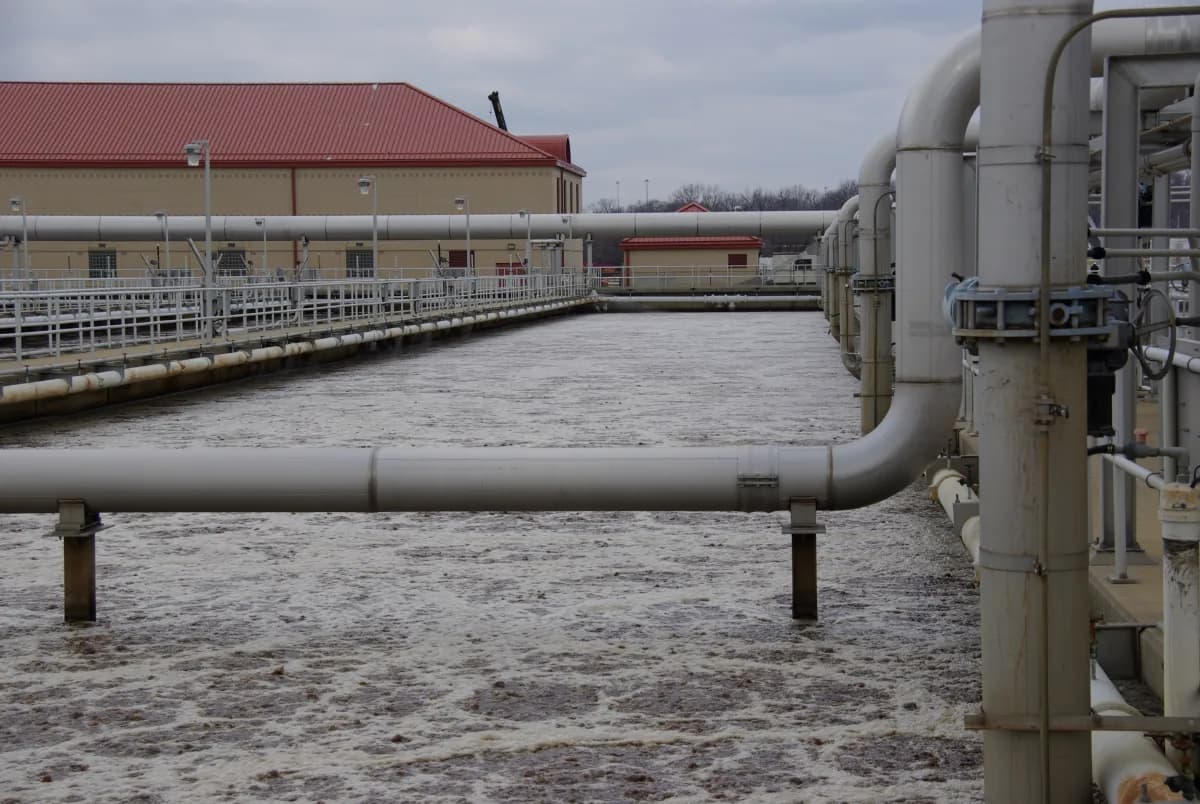
The system monitors municipal wastewater treatment sites to detect new viral strains and coordinate regional health alerts.

The annual survey of 524 leading AI researchers reveals that belief in near-term AGI emergence has grown from 47% in 2023 to 68% in 2026, while concern about catastrophic risk from misaligned AI systems has increased by 31 percentage points over the same period.

Neuralink's second-generation implant enables four paralyzed patients to compose text at 90 words per minute with 99.1% character accuracy using only neural signals, a 4.5x improvement over the first-generation device and a significant step toward the company's goal of restoring full communication ability.

Alphabet's Waymo reports that its fully autonomous vehicles completed 10.3 million rider-only miles in April across San Francisco, Los Angeles, Phoenix, and Austin — a 340% increase from the same period last year — with an accident rate of 0.11 per 100,000 miles versus the national average of 1.9.
Free Morning Briefing
A calm, intelligent briefing delivered daily before the market opens.
Free. No spam. Unsubscribe anytime.