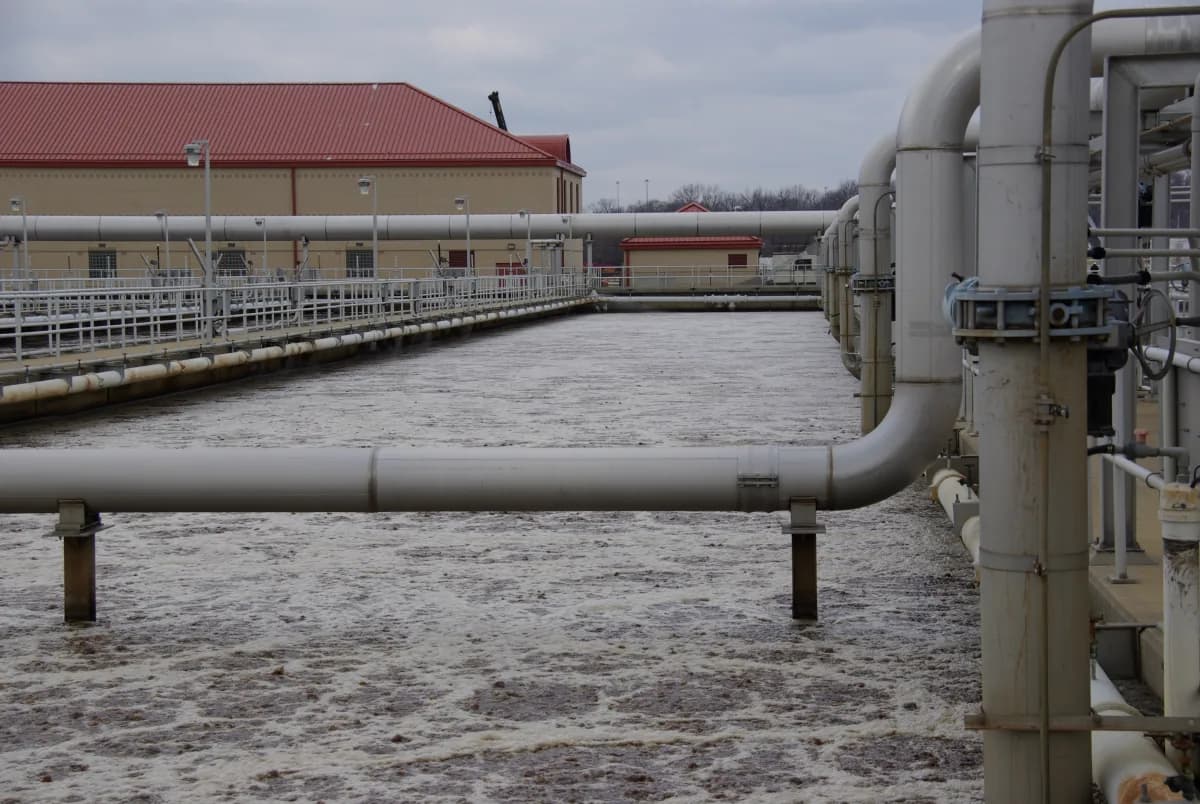
The World Health Organization adopted a global wastewater sequencing standard on Thursday, harmonizing viral concentration methods and genomic reporting timelines for member public health agencies. The protocol follows pilots in 42 countries that detected influenza subtype shifts and novel coronavirus variants weeks before clinical surveillance spikes, according to WHO technical documents published in Geneva.
Director-general Tedros Adhanom Ghebreyesus said wastewater networks complement clinical testing without privacy risks inherent in individual patient data. The standard mandates weekly sampling in cities above 500,000 residents and monthly reporting to WHO's International Pathogen Surveillance Network.
Technical Protocol
Laboratories use polyethylene glycol precipitation to concentrate viral particles, then apply metagenomic sequencing with minimum 10x coverage thresholds for variant calls. Quality control modules require internal RNA controls and blind proficiency tests coordinated by the European Centre for Disease Prevention and Control.
The U.S. Centers for Disease Control and Prevention contributed methods refined during COVID-19 national wastewater programs now covering 1,400 sites. CDC director Mandy Cohen said U.S. labs will align domestic reporting with WHO fields by January 2027.
Early Warning Cases
São Paulo authorities detected rising KP.3 coronavirus lineages in sewage three weeks before hospital admissions increased in May, triggering targeted vaccination campaigns in elder care facilities. Singapore integrated wastewater signals with airport traveler screening, reducing false positives in border thermography.
African Union centers in Kenya and South Africa validated portable sequencers for sites lacking cold-chain logistics, addressing equity concerns raised during treaty negotiations.
Funding and Capacity
The World Bank allocated 280 million dollars in concessional loans for wastewater lab upgrades in low-income countries. Charitable funders including the Gates Foundation pledged 60 million for reagent subsidies through 2028.
Commercial vendors Biobot Analytics and LuminUltra expanded ISO-certified kits matching WHO reagent specifications, lowering onboarding costs for municipal utilities unfamiliar with genomics workflows.
Privacy and Governance
Civil society groups praised aggregate reporting but urged safeguards against law enforcement misuse of sewage drug or pathogen data. WHO guidelines prohibit using wastewater for individual identification and require national ethics board oversight.
China and India endorsed the standard with reservations on data sharing timelines, citing sovereignty over domestic health statistics. Negotiations produced phased reporting for sensitive pathogens.
WHO will publish a dashboard of anonymized variant trends in October, giving airlines and vaccine manufacturers earlier signals for strain selection ahead of northern hemisphere flu seasons.
Implementation Calendar
WHO regional offices will host training webinars in August for laboratories adopting the standard's bioinformatics pipelines, using open-source tools maintained by the Global Initiative on Sharing Avian Influenza Data consortium. Manufacturers pledged reagent price caps for low-income countries through 2027, a concession negotiated after African Union health ministers raised affordability concerns.
Airline industry group IATA said anonymized wastewater trend dashboards could inform crew vaccination policies without disclosing city-level data that might stigmatize travel destinations experiencing variant upticks.
Credence Wire will update this story as officials release revised figures, company filings, or regulatory guidance affecting the developments described above.
Pharmaceutical manufacturers including Sanofi and GSK said standardized wastewater variant feeds could inform seasonal vaccine strain selection earlier than clinical isolate sharing alone, shortening formulation decisions by an estimated ten days in influenza production cycles.
UNICEF will integrate WHO sampling standards into maternal and child health programs that already collect stool surveillance in humanitarian camps, extending genomic monitoring to displaced populations without separate infrastructure builds.