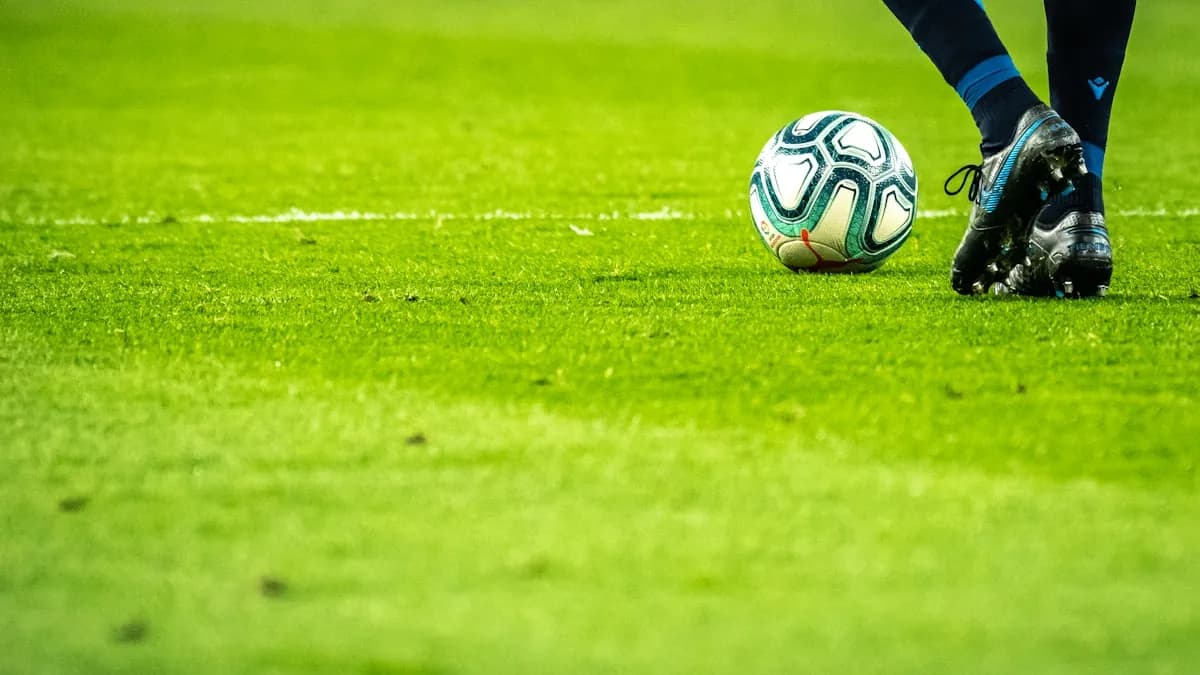
FIFA deployed an upgraded video assistant referee system for the 2026 World Cup knockout rounds that combines player skeletal tracking with real-time data from Adidas's connected match ball, officials announced Monday. The ball transmits position information at 500 hertz to support offside calls and tactical analytics broadcast to viewers in twelve markets.
The system extends technology first used at the 2022 tournament in Qatar, adding machine-learning models that flag potential offsides within two seconds of play stopping. Human VAR officials retain final authority; FIFA general secretary Fatma Samoura emphasized that automation assists rather than replaces referee judgment.
How It Works
Stadium cameras map 29 skeletal points per player; the ball's inertial measurement unit and ultrawideband beacons synchronize with those frames to determine whether an attacker was ahead of the second-to-last defender at the moment of pass. A graphical rendering appears on broadcast feeds within eight seconds on average during group-stage tests.
Coaches receive delayed tactical heat maps through a secure sideline tablet after the 75th minute, a compromise after the International Football Association Board rejected live in-game access over fairness concerns.
Controversies
Brazil's federation filed a formal complaint after a group-stage offside call against Vinícius Júnior, arguing the ball sensor miscalibrated during a wet pitch interval at SoFi Stadium. FIFA's technology partner Hawk-Eye said post-match calibration logs were within tolerance; the match result stood.
Players including England's Jude Bellingham criticized added stoppages, though average added time fell 11 percent versus 2022 as operators gained experience.
Broadcast Innovation
Fox and the BBC integrated offside probability graphics for U.S. and UK audiences, drawing record social engagement during the round of 32. FIFA sold data feeds to sportsbooks under strict latency rules preventing in-play betting advantages.
Privacy advocates raised questions about biometric tracking of athletes without union consent; FIFA cited collective bargaining agreements with European player associations that permit performance analytics.
Legacy
Domestic leagues including the Premier League and MLS will evaluate full adoption after the tournament. If accuracy metrics hold, connected balls could become standard equipment by 2028, changing how coaches train defensive lines and how fans interpret tight calls.
Television producers trained operators to explain VAR graphics in plain language after viewer surveys showed confusion about skeletal tracking overlays. Sponsors including Adidas and Visa integrated ball-speed statistics into advertising creatives, turning match data into marketing assets that FIFA monetizes separately from broadcast rights.
Data Commercialization
FIFA signed a three-year agreement with a sports analytics consortium to license anonymized ball-tracking feeds to clubs for post-match training, excluding real-time competitive use. Players' unions negotiated revenue sharing on data derived from biometric workloads captured during official matches.
Boot manufacturers experimented with compatible sensor inserts for non-tournament leagues, potentially expanding the connected-ball ecosystem beyond Adidas's World Cup exclusive.
The round of 16 begins Saturday with VAR operators trained on knockout protocols that limit review stoppages to 90 seconds except for severe missed incidents.
Knockout matches beginning Saturday will use stricter VAR time limits, with FIFA publishing stoppage statistics nightly for transparency.