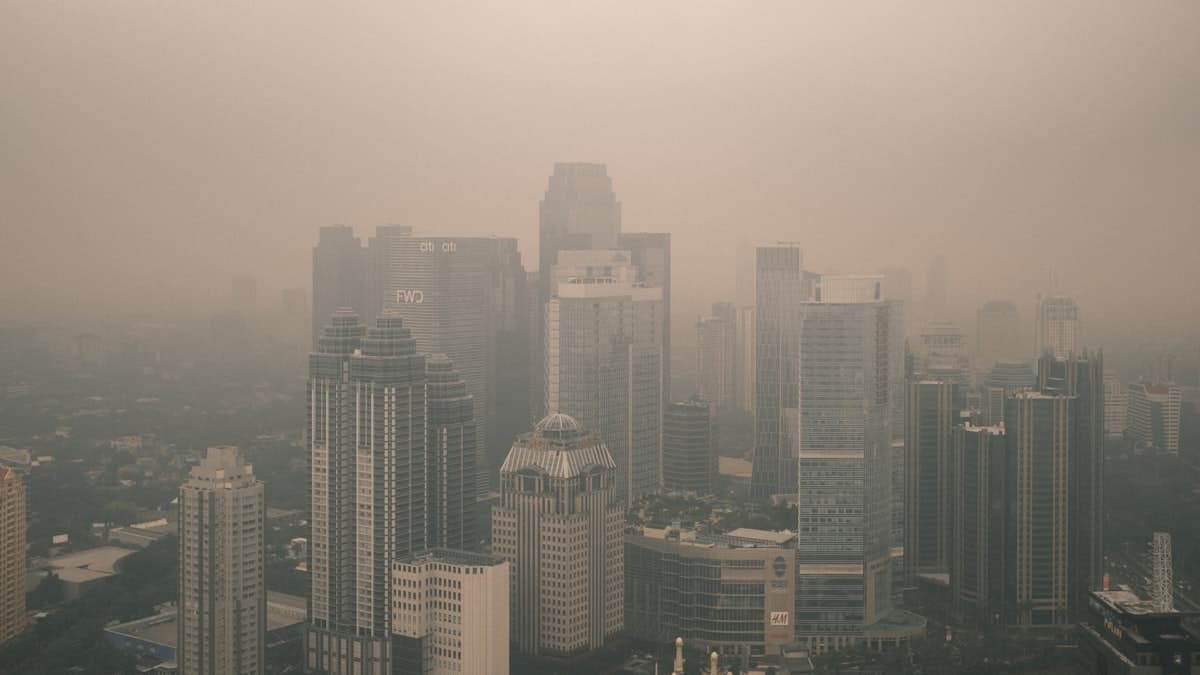
The World Health Organization activated an artificial intelligence air-quality forecasting network across 48 countries on Monday, issuing 72-hour pollution predictions aimed at hospitals and public-health agencies before summer heat intensifies smog formation. The platform merges satellite aerosol data, ground sensor readings, and weather models updated every six hours.
Pilot deployments in Delhi, Athens, and Santiago reduced emergency-room admissions for respiratory distress by 9 percent during alert windows when cities issued public advisories, according to a peer-reviewed evaluation in The Lancet Planetary Health. WHO now extends the system to sub-Saharan Africa and Southeast Asia, regions with sparse monitoring historically.
How the System Works
Engineers at WHO partnered with Copernicus atmospheric services and national meteorological offices. A convolutional model ingests satellite optical depth measurements; a separate graph neural network reconciles them with irregular ground sensor placements. Outputs forecast PM2.5, ozone, and nitrogen dioxide at 10-kilometer grid resolution.
Health ministries receive API feeds integrated into hospital staffing tools. Alerts trigger when predicted concentrations exceed WHO interim targets for sensitive groups. The model documents uncertainty bands; officials said false alarm rates stayed below 14 percent in validation.
Why Timing Matters
Climate change extends heat seasons and accelerates secondary pollutant formation. Urban populations over 65 — a group vulnerable to combined heat and particulate stress — are growing fastest in low- and middle-income countries. Traditional monitoring networks often publish readings too late for preventive action.
Dr. Maria Neira, who directs WHO's environment department, said forecasting shifts public-health strategy from reactive treatment to anticipatory guidance. Schools and outdoor workers benefit when municipalities cancel events before pollution peaks rather than after measurements confirm them.
Limitations
Coverage remains uneven where neither satellites nor sensors provide training data. Rural Africa and Pacific island states rely on interpolated estimates with wider error margins. WHO cautioned against using forecasts for regulatory enforcement until local calibration completes.
Funding covers operations through 2028 via Green Climate Fund grants and bilateral aid from Germany and Canada. Sustained financing requires donor renewal; the agency did not commit to permanent staffing levels.
Political Context
Some governments resisted publishing predictive alerts that could imply policy failure on industrial emissions. WHO agreements require participating ministries to release forecasts publicly within two hours of generation. China and India joined after negotiating data-sharing protocols that mask facility-level attribution.
What Comes Next
WHO plans integration with heat-wave early warning systems by September, producing combined thermal and air-quality indices. Researchers will study whether alerts change fuel-burning behavior or merely reduce exposure. Either outcome has measurable health effects; the distinction matters for urban planning budgets.
For clinicians, the operational question is straightforward: when the model flags a spike, hospitals pre-position respiratory specialists and ventilators. That capacity shift, repeated across dozens of cities this summer, is the immediate measure of success.