The Senate Commerce Committee issued subpoenas Friday to Meta Platforms, TikTok, and Snap, demanding internal research on AI companion features used by minors, associated mental-health incidents, and age-verification failure rates. Chairman Ted Cruz set an August 12 hearing and warned CEOs they may testify under oath if document production remains incomplete by July 20.
Staff investigators said the committee seeks unreleased studies on how conversational AI characters affect session length, sleep patterns, and crisis-language detection among users under 18. Parents' groups supplied the committee with 140 anonymized case files involving minors who formed emotional attachments to platform bots before self-harm events.
Scope of the Inquiry
Subpoenas cover documents from January 2024 through June 2026 related to AI persona products, including Meta's character studio, TikTok's experimental friend mode, and Snap's My AI extensions. Requests include engagement metrics segmented by age, moderator escalation logs, and communications between safety teams and executive leadership.
The committee also asked for data on attempts to circumvent age gates using generative profile photos and synthetic voice verification. TikTok must produce records on ByteDance engineers with access to U.S. minor user logs, a line of inquiry likely to escalate diplomatic tensions parallel to ownership debates.
Bipartisan Pressure
Democratic Senator Maria Cantwell co-signed the subpoena order despite prior disagreements with Cruz on Section 230 reform. Both parties face midterm pressure from suburban parents citing classroom distraction and overnight messaging with AI companions that simulate romantic partners.
The American Psychological Association submitted a letter urging lawmakers to distinguish correlation from causation while still demanding transparency. APA researchers said platforms possess longitudinal data no academic lab can replicate without cooperation.
Company Positions
Meta said it will comply while protecting employee privacy and trade secrets. The company pointed to teen supervision tools launched in April and default restrictions on romantic role-play prompts. TikTok declined comment pending legal review. Snap said My AI already includes crisis helpline prompts and parental visibility features.
Industry trade group NetChoice called the subpoenas a pre-election spectacle and argued state-level age-verification laws should mature before federal mandates. Child-safety advocates responded that voluntary policies failed in each prior social-media cycle.
Policy Options on the Table
Staff drafts circulated among members include mandatory independent audits of recommender systems for minors, federal privacy standards for AI chat logs, and criminal penalties for executives who withhold suicide-risk studies from regulators. None has bipartisan cosponsorship yet.
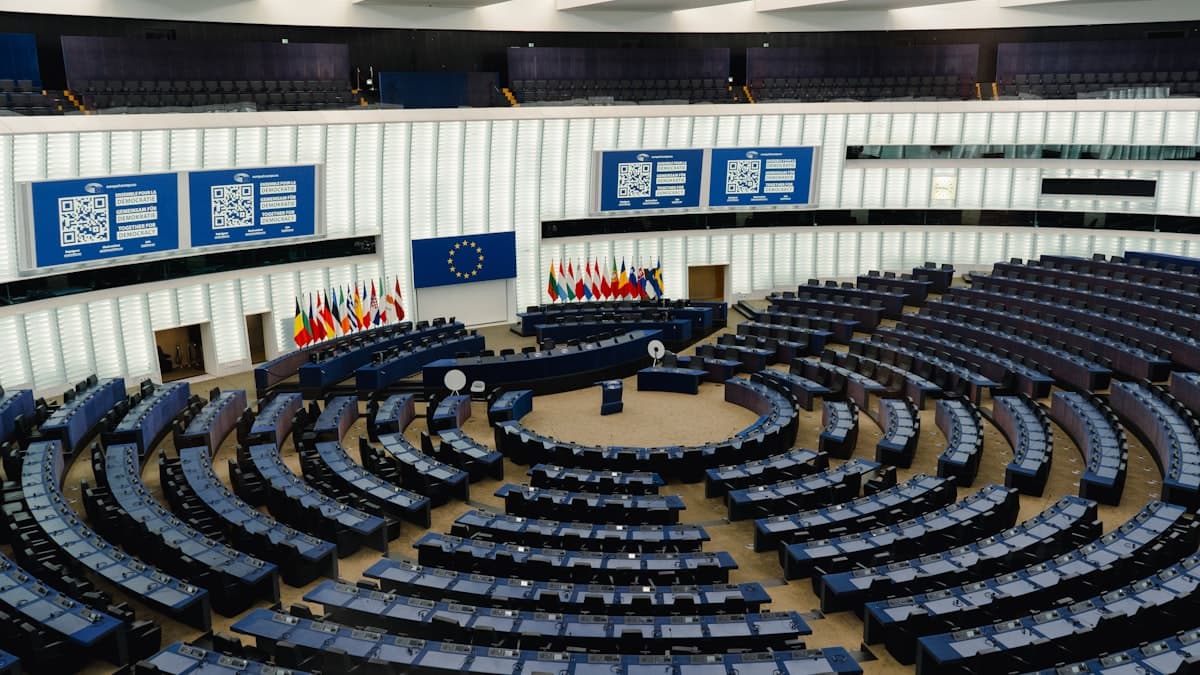
European Union Digital Services Act requirements already force large platforms to publish risk assessments on addictive design. Commerce staff said U.S. rules could mirror disclosure without adopting EU enforcement institutions.
Political Timing
August hearings land six weeks before early voting begins in several states. Campaign strategists expect viral clips from executive testimony regardless of legislative outcome. The committee lacks authority to break up platforms but can refer findings to the FTC and Justice Department for unfair-practices investigations.
For families, the immediate question is whether subpoenaed research triggers product changes before school resumes. Platform safety teams historically ship restriction updates ahead of high-profile hearings to soften testimony. Watchdog groups said they will publish side-by-side comparisons of pre- and post-hearing default settings for minors.