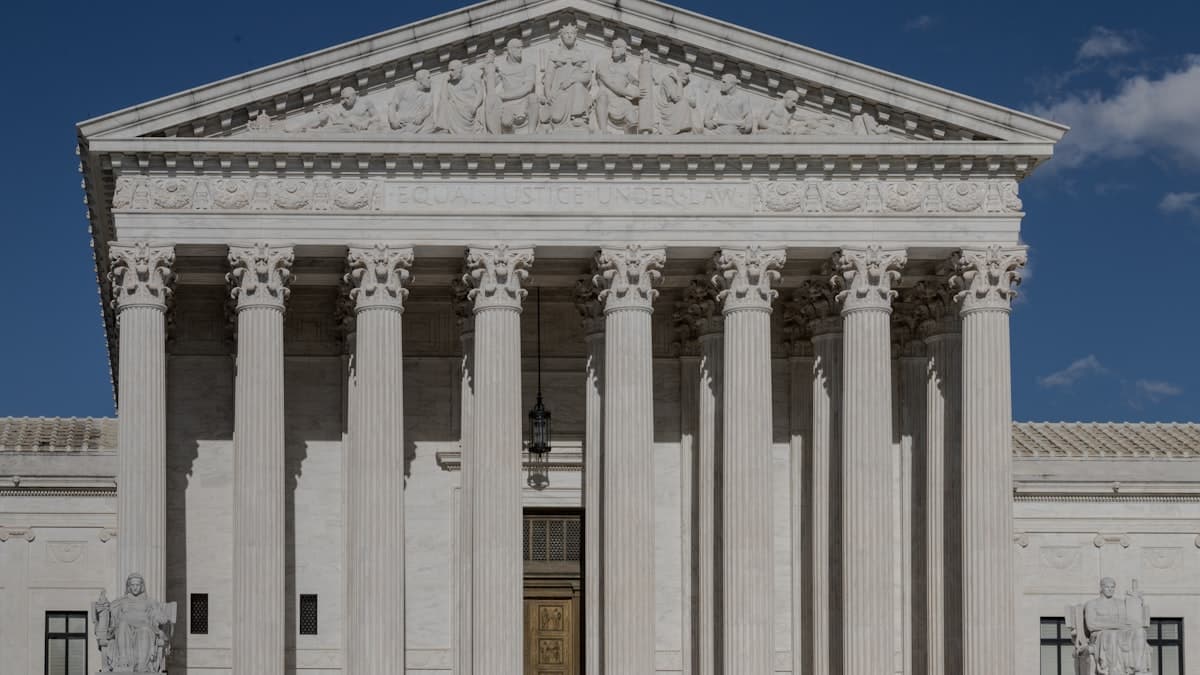
The Supreme Court ruled 6–3 on Monday that federal agencies may not require private employers to conduct algorithmic hiring audits unless Congress granted explicit authority for that obligation. The decision vacates Labor Department regulations issued in 2025 and sends ripple effects through the Equal Employment Opportunity Commission, Consumer Financial Protection Bureau, and Housing and Urban Development, each of which modeled guidance on similar legal theories.
Chief Justice John Roberts wrote for the majority that broad statutory language about fair employment practices does not authorize micromanagement of software development practices. Agencies must identify clear congressional mandates before imposing documentation, testing, or third-party review requirements on commercial AI vendors.
The Case
Retail chain Meridian Stores challenged Labor Department rules requiring annual third-party audits of applicant tracking systems using machine learning. Meridian argued the agency invented obligations Congress never approved. The government contended that discriminatory impact from opaque models falls within longstanding enforcement powers.
Lower courts split. The D.C. Circuit upheld the rule under Chevron deference, which the Supreme Court weakened last term. Monday's opinion did not reinstate Chevron; it applied the major-questions doctrine to AI governance specifically because compliance costs exceed $3 billion industry-wide.
Immediate Effects
Labor must withdraw audit mandates within 60 days. EEOC technical assistance documents referencing mandatory pre-deployment testing lose enforceability though voluntary guidelines remain. CFPB lawyers paused finalization of rules tying credit-model documentation to examination scores pending congressional counsel review.
State attorneys general in New York, California, and Illinois said they will continue enforcing local AI hiring laws unaffected by the ruling. Multistate employers face a patchwork: federal floor lowered, state ceiling unchanged.
Political Fallout
Republican leadership hailed the decision as a check on bureaucratic overreach. Senate Minority Leader Mitch McConnell urged the House to pass the AI Accountability Act narrowly tailored to federal contractors rather than economy-wide mandates.
Democratic senators and civil-rights groups called for new legislation restoring audit authority with explicit statutory text. The Leadership Conference on Civil and Human Rights said algorithmic discrimination will continue without enforceable documentation requirements.
The White House directed agencies to inventory AI-related rules issued under general welfare statutes. A memo from the Office of Management and Budget ordered pause on proposed rules until counsel certifies explicit authorization.
Industry Response
Human-resources software vendors lost pre-market audit service revenue tied to the vacated rule. Workday and iCIMS said they will offer audits voluntarily for enterprise clients subject to state law. Defense and health-care contractors with separate compliance regimes reported minimal change.
Law firms predicted litigation from workers denied jobs by automated screens will shift to discovery fights over whether employers voluntarily maintained audit trails. Without federal mandates, plaintiffs rely on disparate-impact theories and state discovery rules.
Longer-Term Direction
Congress faces pressure to legislate before the 2026 midterms. The Senate's AI Accountability Act covers federal procurement, not private employers. House Democrats introduced a companion bill Thursday extending audit duties to firms with more than 500 employees; Republican committee chairs declined immediate hearings.
For agencies, the ruling reinforces a narrow path: publish guidance, bring enforcement cases under existing discrimination statutes, but avoid industry-wide technical mandates without new law. That posture satisfies courts and frustrates regulators who view documentation as prerequisite to meaningful enforcement.