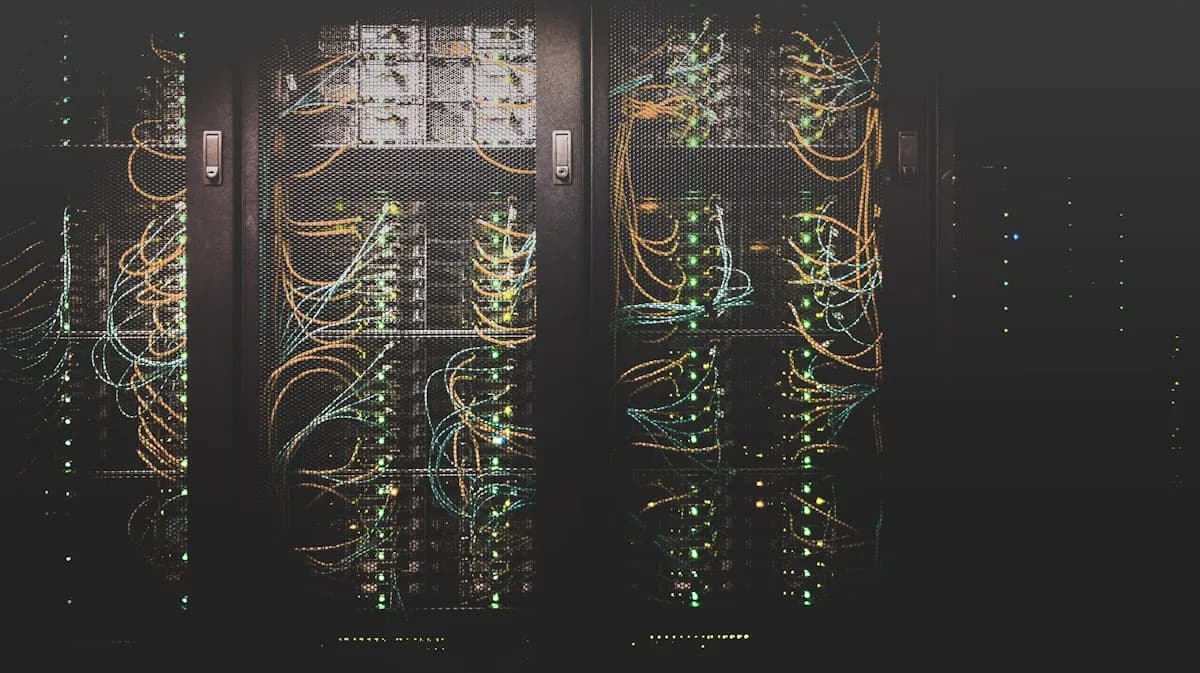
Meta Platforms has held internal discussions about leasing excess artificial intelligence compute capacity to external customers, according to four people familiar with the talks, as the company faces investor pressure to justify capital spending that exceeded $65 billion in 2026 guidance. The deliberations remain preliminary; no product launch date has been set.
Chief technology officer Andrew Bosworth told engineering leaders in a June memo that utilization in two U.S. regions ran below 70 percent during off-peak training cycles, the people said. Meta has historically kept GPU clusters dedicated to advertising ranking, recommendation systems, and Llama model research rather than operating a commercial cloud.
Strategic Shift
Selling compute would place Meta in competition with Amazon Web Services, Microsoft Azure, and Google Cloud — partners Meta relies on for backup capacity and global footprint. Insiders said any external offering would target niche workloads, such as batch inference for biotechnology firms, rather than full hyperscaler substitution.
The rumor surfaced during a broader June selloff tied to hyperscaler return-on-investment concerns. Meta's shares fell 12 percent for the month despite reporting 22 percent advertising revenue growth aided by AI-driven targeting.
Utilization Economics
GPU clusters depreciate over four to five years; idle hardware erodes return metrics that chief financial officer Susan Li must present quarterly. Leasing spare cycles could offset depreciation if priced above marginal power and staffing costs. Meta's Oregon and Texas campuses have dedicated substations that complicate third-party access — a logistical hurdle AWS does not face.
Engineers warned that multi-tenant clusters increase security review burdens, especially for models trained on user data. Any external lease would likely use physically segregated racks already cleared for Llama open-weight inference.
Industry Precedent
Google has sold TPU capacity selectively to cloud customers; Microsoft rents excess capacity through Azure specialty instances. Meta lacks billing infrastructure and enterprise support at hyperscaler scale. Partnership with a neutral colocation provider remains one option under review.
OpenAI's Stargate joint venture with Oracle pursues the opposite strategy — building new capacity — highlighting divergent bets across the industry on whether supply or demand is the binding constraint.
Investor Reaction
Analysts at Bernstein said external compute sales could improve asset turns but risk distracting management from advertising products that fund AI investment. Activist holdouts have not publicly endorsed the idea.
Meta declined to comment. If utilization rises after Llama 4 training ramps in the third quarter, internal advocates for leasing may lose the argument. The discussions nonetheless reveal how seriously finance teams are weighing efficiency as capex totals cross half a trillion dollars industry-wide.
Colocation partners in Texas and Iowa said Meta approached them about spare megawatts available after substation upgrades, suggesting infrastructure constraints—not only GPU purchases—shape utilization gaps. Renewable energy credits attached to Meta campuses complicate third-party sales because buyers may inherit reporting obligations under corporate net-zero commitments.
Meta's infrastructure finance team is scheduled to present utilization dashboards to the board in August, a session that will likely decide whether external leasing moves from slide decks to product roadmaps.
Meta's infrastructure finance team presents utilization dashboards to the board in August, a session that will likely decide whether external leasing advances beyond internal discussion.