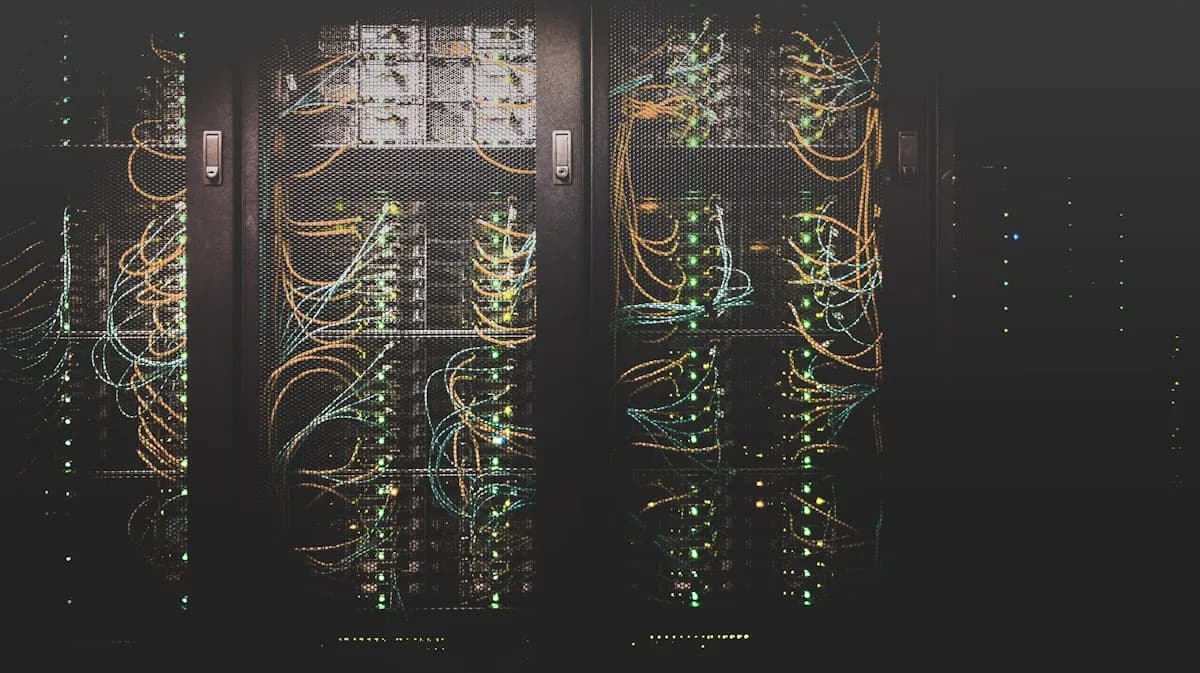
Combined 2026 capital expenditure guidance from Alphabet, Amazon, Microsoft, and Meta now exceeds $452 billion, intensifying investor demands for proof that artificial intelligence spending will generate proportional revenue and profit. The figure — disclosed across successive earnings calls this spring — has become the focal point of the June technology selloff.
Alphabet guided $175 billion to $190 billion in capex. Amazon flagged roughly $200 billion across the company. Microsoft and Meta added tens of billions more for GPUs, data-center shells, and power infrastructure. Institutional investors increasingly treat the total as a single bet on AI monetization rather than four independent strategies.
The Monetization Gap
Bull cases cite enterprise Copilot subscriptions, cloud inference APIs, and advertising efficiency gains. Bears highlight surveys showing only a single-digit percentage of AI pilots converting to paying production workloads at scale. Until that ratio rises, skeptics argue capex outruns commercially validated demand.
Goldman Sachs reported that 85 percent of S&P 500 gains in 2026 came from technology stocks; excluding the sector, the index advanced roughly 3 percent. Concentration risk magnifies any reassessment of AI returns.
Debt Enters the Picture
Hyperscaler spending is on pace to consume nearly all operating cash flow in 2026, versus a 10-year average near 40 percent. Morgan Stanley projected AI-linked debt issuance could reach $570 billion this year as companies tap bond markets to fund buildouts.
Credit spreads widened modestly in June but order books remained covered for highest-rated issuers. The shift from cash-funded expansion to leveraged build cycles changes how shareholders should model downside if AI revenue disappoints.
Management Responses
Chief executives uniformly described AI as a generational platform shift warranting front-loaded investment. Several noted inference demand growing faster than training as agentic applications multiply token usage. None provided firm timelines for capex growth to plateau.
Amazon chief Andy Jassy linked corporate head-count reductions to AI efficiency gains, arguing smaller teams can manage larger infrastructure footprints. Labor advocates counter that job cuts precede proven productivity dividends.
What Investors Watch
Quarterly cloud revenue growth rates, AI product attach metrics, and memory-supplier earnings will determine whether June's selloff extends. A sustained divergence between capex curves and monetization would force dividend-focused holders to reconsider mega-cap weightings that dominate index funds worldwide.